Private Label Vitamins from an EU Manufacturer: Forms, Ready-Made Formulas and What a First Order Needs
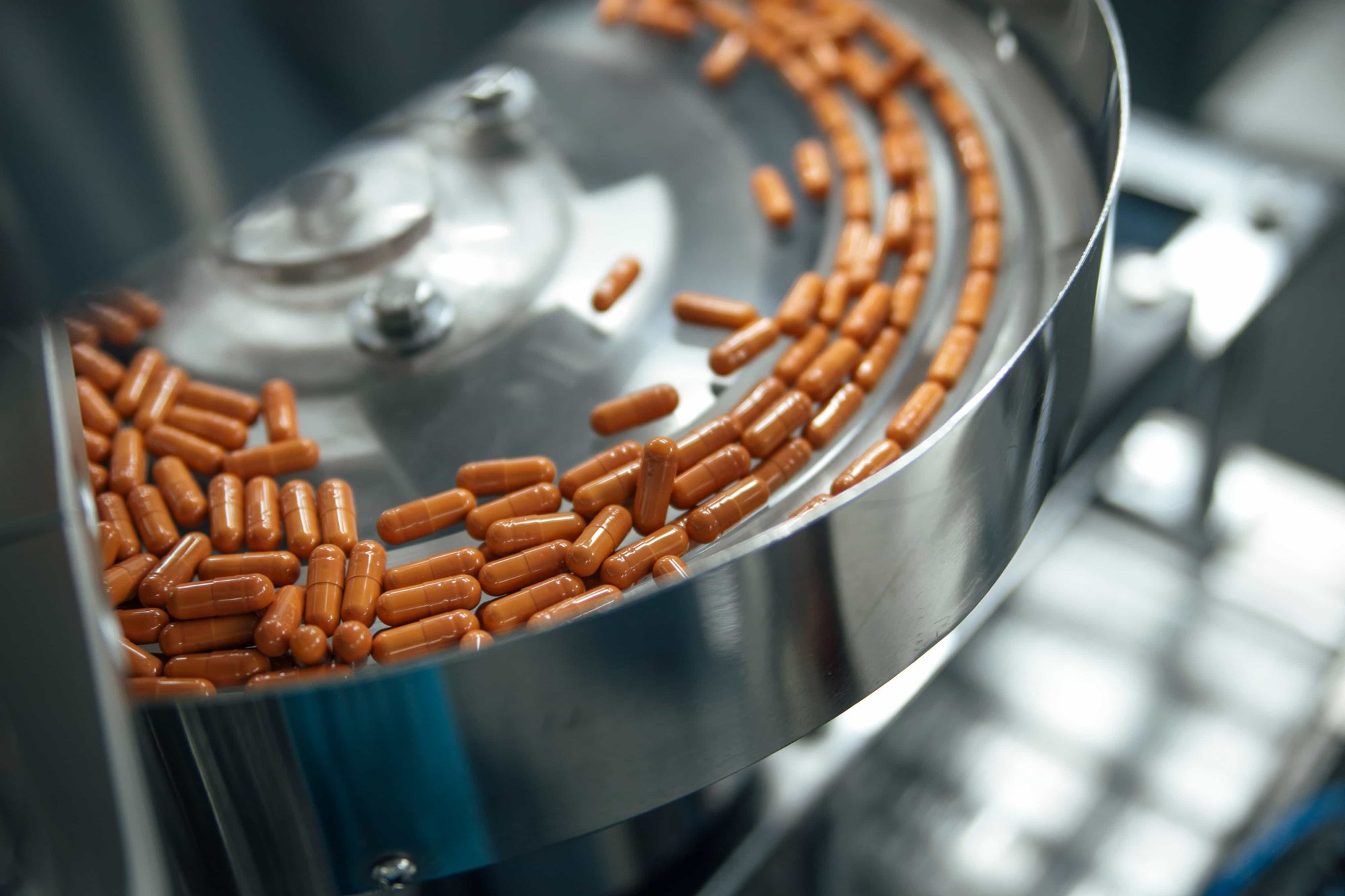
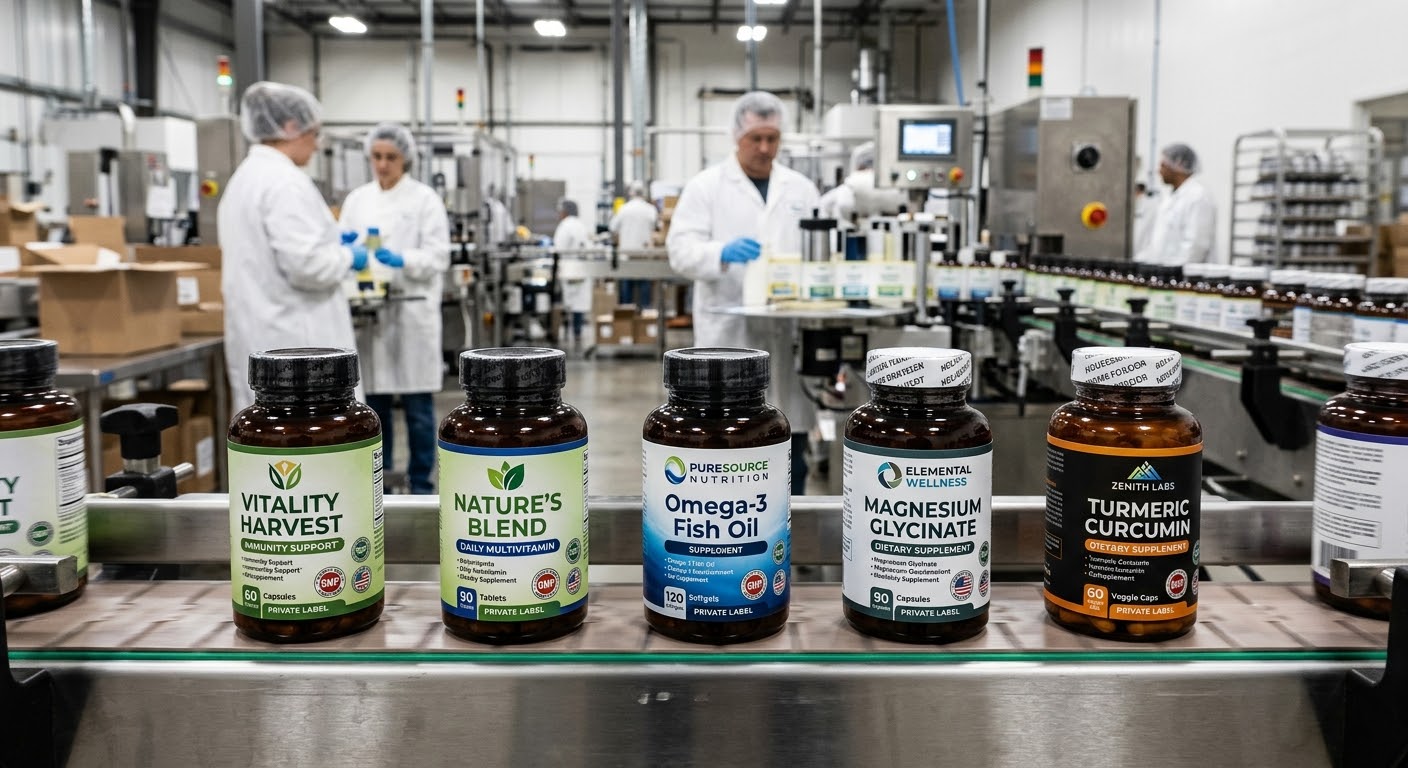
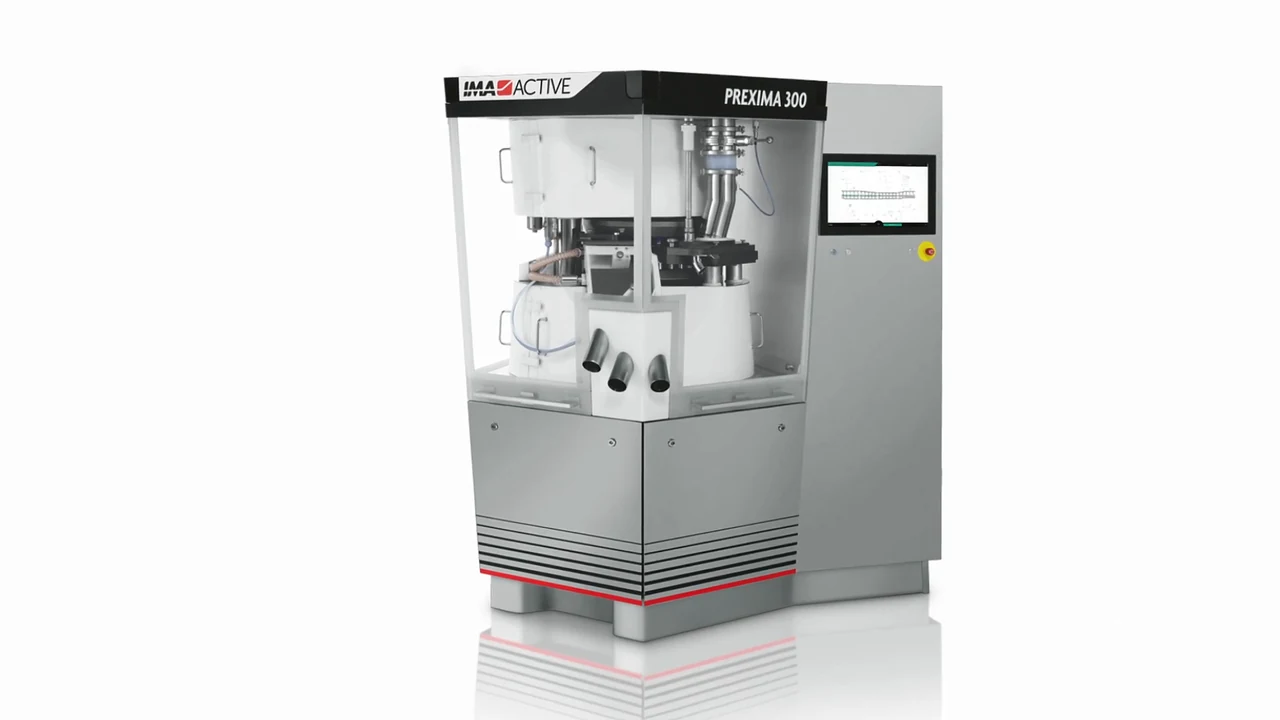
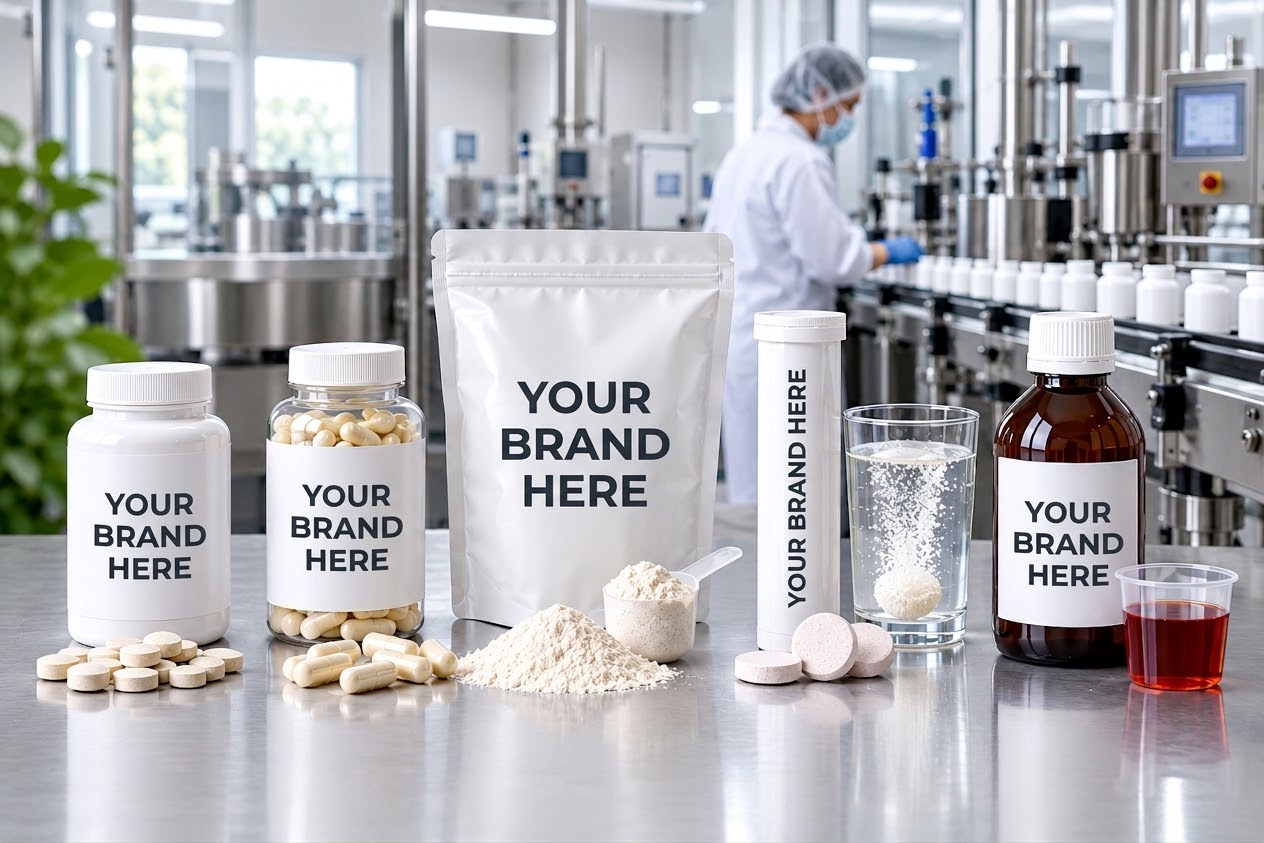
Pharma Manufacture makes private label vitamins at its factory in Mārupe, Latvia, in the European Union, as tablets, hard capsules, softgels, effervescent tablets in tubes, powder sachets, drops, syrups and one-serving shots. A ready-made formula in tablets or capsules starts from 150 units, and a powder sachet order starts from 80,000 sachets. Production takes from four weeks, and about eight weeks for a typical run, counted from a confirmed order and technical brief. The catalogue holds 350 ready-made formulas, and every batch ships with a Certificate of Analysis; the plant holds GMP-FS-01, HACCP-01 and ISO 22000:2018 MSC-22-1384.
| Parameter | Pharma Manufacture |
|---|---|
| Factory | The Pharma Manufacture factory, “Kargo k-1”, Mārupe, LV-2167, Latvia, EU |
| Vitamin forms | Coated, chewable and melt tablets; hard capsules in gelatin or vegan HPMC; softgels; effervescent tablets in tubes; powder sachets of 4 to 12 g; drops typically in 20 to 30 ml amber glass; syrups typically in about 200 to 250 ml amber glass; one-serving shots |
| Ready-made formulas | 350 in the catalogue; 26 effervescent formulas listed on the effervescent page |
| Minimum order | From 150 units for a ready-made tablet or capsule formula; higher for a custom formula; effervescent tubes and liquids quoted per product within 24 hours; powder sachets from 80,000 |
| Lead time | From 4 weeks; about 8 weeks for a typical run; powder sachets about 8 weeks |
| Doses | R&D checks the doses against the rules of the country of sale; there is no single EU maximum |
| Documents with each batch | Certificate of Analysis; batch number and expiry date printed on the blister and the carton |
| Certificates | GMP-FS-01 and HACCP-01, valid to 17 May 2027; ISO 22000:2018 MSC-22-1384, valid to 7 January 2029 |
| Label | Artwork by the in-house designer or your own file; the brand answers for the text and the claims |
| Reply to a request | Within 24 hours |
Key Takeaways
- The vitamin settles much of the form before you do: vitamin D3 in oil goes to a softgel (D3 is also published as drops and in other forms), vitamin C needs a moisture barrier, and liquid vitamins go into amber glass.
- Every form Pharma Manufacture runs already has vitamin formulas in the catalogue of 350; a different strength of a catalogue vitamin is an adapted formula and follows the custom route.
- The EU has no single maximum dose for vitamins, so the dose is checked against the rules of the country of sale, and that country belongs in the first message.
- A ready-made tablet or capsule formula starts from 150 units; powder sachets start from 80,000 sachets, set by the print run of one laminate roll.
- Every batch ships with a Certificate of Analysis; the brand, or its importer, files the notification and answers for the label and its claims.
Which private label vitamins can be made in which form?
Every form Pharma Manufacture runs already has vitamin formulas in its catalogue, from vitamin C 1000 mg tablets to vitamin D3 drops, so a first vitamin product can usually start from an existing recipe. The table lists the vitamin formulas published on the site, what each form suits, and what each form costs you beyond the price.
| Form | Ready-made vitamin formulas published on the site | Suits | What it costs you |
|---|---|---|---|
| Coated tablets | Multi Vitamin and Mineral; Vitamin C 1000 mg + Bioflavonoids; Vitamin B Complex; Folic Acid; Biotin 10000 mcg; Vit. D3 4000 IU + K2 100 mcg; Calcium + D3 | Vitamin and mineral complexes, and one high dose of a dry vitamin in one unit | The dose has to fit one of eight tablet sizes; coating is a step on every batch |
| Chewable and melt tablets | Children’s Multivitamins Chewable; Vitamin B12 1000 μg melt | Consumers who would rather not swallow a tablet | A smaller published range than standard tablets |
| Hard capsules | Marine Collagen + Vit. C & B3 | Powder blends you would rather not compress; vegan HPMC shell | Three sizes, #1, #0 and #00; a dose that does not fit one capsule means two capsules or another form |
| Softgels | Vitamin D3 1000 IU, 2000 IU and 4000 IU; Fish oil 33/22 + Vit. D3 + Vit. K2 + Vit. E; Omega-3 fish oil + vitamin E | Fat-soluble vitamins carried in oil | Gelatin shell; tumbling and 12 hours of drying on every batch |
| Effervescent tablets in tubes | Vitamin C 1000 mg; Vitamin C + Zinc; Vitamin C + Zinc + D3; Multivitamins; Kids Multivitamins; Vitamin B Complex; Vitamin D3; Vitamin D3 + K2; Calcium + Vitamin D3; Magnesium + Vitamin B6 | A vitamin taken dissolved in water, with a flavour | The tube with its moisture-absorbing cap comes with every order; the minimum follows the tube print run |
| Powder sachets | A vitamin C and calcium hot drink powder is among the sachets made; ready-made or custom formula | One exact serving of 4 to 12 g, carried in a pocket or a handbag | From 80,000 sachets; about 8 weeks of production |
| Drops | Vitamin D3; Vitamin D3 + K2; Vitamin B12; Folate (Vitamin B9); Vitamin A; Multivitamin | Controlled dosing from a dropper, typically 20 to 30 ml amber glass | Minimum set by the bottle, the closure and the formula |
| Syrups and shots | Vitamin & Mineral Complexes (syrup); Vitamin C shots | A spoon or cup dose, typically from about 200 to 250 ml, or one serving per shot | Same as drops; the sweetener system goes on the label |
The names in the table are the working titles of catalogue formulas. The name on your pack is chosen by your brand, and it has to work with the claims rules described further down. The selection on the site is part of the catalogue: Pharma Manufacture sends the full product list without prices on request, so you can pick the vitamins first and see prices with the price list.
What does the vitamin itself decide before you choose a form?
Three properties of the vitamin settle most of the form question: whether it is carried in oil, whether it suffers from moisture or light, and how many milligrams go into one serving. A preference for one form comes after those three.
A fat-soluble vitamin in oil points to a softgel. Pharma Manufacture’s four oval softgel sizes, #3, #8, #10 and #20, are made for oil-based fills, and vitamin D3 softgels sit in the catalogue at 1000, 2000 and 4000 IU. Every softgel batch is tumbled to remove surface moisture and then dried for 12 hours in a wind-tunnel room. The shell is gelatin, glycerin and water, so a brand that sells to vegans looks at the other D3 formats in the catalogue: D3 + K2 tablets, effervescent D3 or D3 drops.
A moisture-sensitive vitamin needs its barrier chosen together with the form. Vitamin C is the usual case. Effervescent tubes close with a cap that holds a moisture absorber. Sachets are a three-layer laminate of paper, aluminium foil and sealing film, and the foil is a barrier against moisture, oxygen and light; the sachet page names vitamin C as one of the powders this matters for. Blisters run on the Uhlmann B 1240 in PVC, PVC/PVDC, PVC/Aclar or alu-alu, and alu-alu gives the highest protection against moisture and light. Shelf life is set per formula and pack; for powder sachets it is 24 months as standard, shorter for some formulas.
A liquid vitamin goes into amber glass. Drops are typically filled into 20 to 30 ml amber glass bottles with a dropper cap as standard and a pipette cap as an option, and syrups into amber glass of typically about 200 to 250 ml. Amber glass protects the contents from light. Syrups use liquid sorbitol as standard; a “sugar-free” claim needs no more than 0.5 g of sugars per 100 ml and is checked per formula. In vitamin and mineral liquids, malic acid covers the off-taste minerals leave behind, and the flavour is chosen after that.
The dose per serving decides the tablet size, or the number of tablets. One catalogue tablet carries 1000 mg of vitamin C. The catalogue Calcium + D3 tablet carries 400 mg of calcium and 5 µg of vitamin D3, with a suggested use of one to two tablets a day. Tablets are pressed in eight sizes, round 7.5, 9, 11 and 13 mm and oval 16 × 8 to 22 × 10 mm. If a daily dose does not fit one unit, the options are a larger size, two units per serving or another form, and each option is priced separately.
A vegan claim is decided ingredient by ingredient, not by the shell. Pharma Manufacture fills hard capsules in vegan HPMC as well as gelatin, but the shell is only the start. The excipients, the tablet coating and the source of vitamin D3 are checked too, and the status is confirmed for a specific formula on request.
A children’s vitamin usually goes chewable, effervescent or liquid. The catalogue includes Children’s Multivitamins Chewable tablets, Effervescent Kids Multivitamins and multivitamin drops. A children’s product carries different labelling and dosing expectations from an adult one, so the age group belongs in the brief from the start.
Ready-made vitamin formula or your own: which should a first order use?
A ready-made formula from the catalogue of 350 is the shorter route for a first vitamin order: development and validation are already done, so it starts from 150 units in tablets or capsules and enters production from four weeks. Your own formula costs a formula calculation, a validation batch and a higher minimum order.
The catalogue route is narrower than it looks in one respect. A vitamin formula is fixed at the strength it is made in. Vitamin D3 softgels at 1000, 2000 and 4000 IU are three catalogue formulas; a fourth strength is a change to the recipe. At Pharma Manufacture an adapted formula follows the same route as a custom one: the change is calculated and validated before production, and the minimum is set for a new formula.
For a formula you bring, the first step is the formula calculation, which checks whether it can be produced in the form you want. A capsule blend has to fit #1, #0 or #00 in gelatin or vegan HPMC, and the capsule filler itself takes sizes 5 to 00EL plus 000 and DB. A tablet has to fit one of the eight sizes above. You send the ingredients with the dose per serving, the form, the country or region of sale, the packaging and label status, and a quantity range.
The trade-off with a ready-made vitamin is that other brands can order the same recipe, so your product stands apart through the brand, the pack, the market and the price. The cost of your own formula is a development step, a higher minimum and a launch date planned around the quote rather than the four-week figure. The general trade-off between the two routes is covered in stock formula or custom and in white label vs private label; for vitamins, the strength is usually what moves a product from one route to the other.
How strong can a private label vitamin be in the EU?
There is no single EU maximum dose for vitamins. Article 5 of Directive 2002/46/EC provides for maximum amounts of vitamins and minerals to be set, no single EU-wide figure has been adopted, and the limits that apply are those of the country where the product is sold.
That is why Pharma Manufacture’s R&D checks the doses against the rules of the country of sale, and why the country belongs in the first message. A dose that suits one member state can need adjusting for another, and a launch in three countries means the formula and the label that go to print should already fit all three. Catalogue strengths, such as vitamin D3 4000 IU softgels or Biotin 10000 mcg tablets, go through the same check for your market as a custom dose.
The form of the vitamin matters as well as the amount. Annex II of Directive 2002/46/EC lists the vitamin and mineral substances that may be used in food supplements, so the chemical form named in the ingredient list, for example cholecalciferol for vitamin D3, has to be one of them.
The claims on the pack follow a separate rule. Only authorised health claims may be used, from the Union Register of nutrition and health claims (function claims are listed in Regulation (EU) No 432/2012), under Regulation (EC) No 1924/2006. A general reference to wellbeing is permitted only next to a specific authorised claim. The brand whose name is on the pack answers for every claim, whoever designs the artwork.
What do you decide for the pack and the label?
A vitamin brand fixes three things before artwork starts: the pack, the number of units in it, and the label text. The pack comes first, because the artwork is built to its shape.
The packs Pharma Manufacture runs for vitamins:
- Bottles: PET bottles of 100 to 500 ml in seven colours, and glass bottles, counted and filled on a Cremer CF 1220; bottles on the counting line are 40 to 200 mm tall and 20 to 110 mm in diameter.
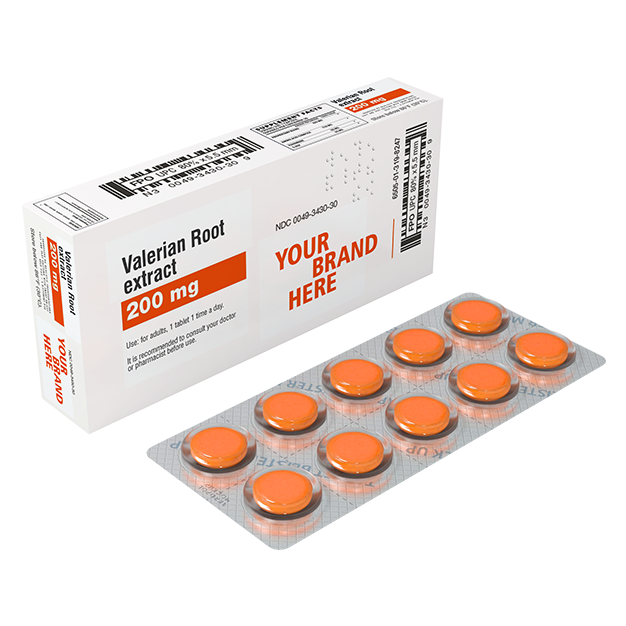
- Blisters with a printed carton: formed and sealed on an Uhlmann B 1240, with cartons from 28 × 12 × 55 mm to 92 × 60 × 190 mm.
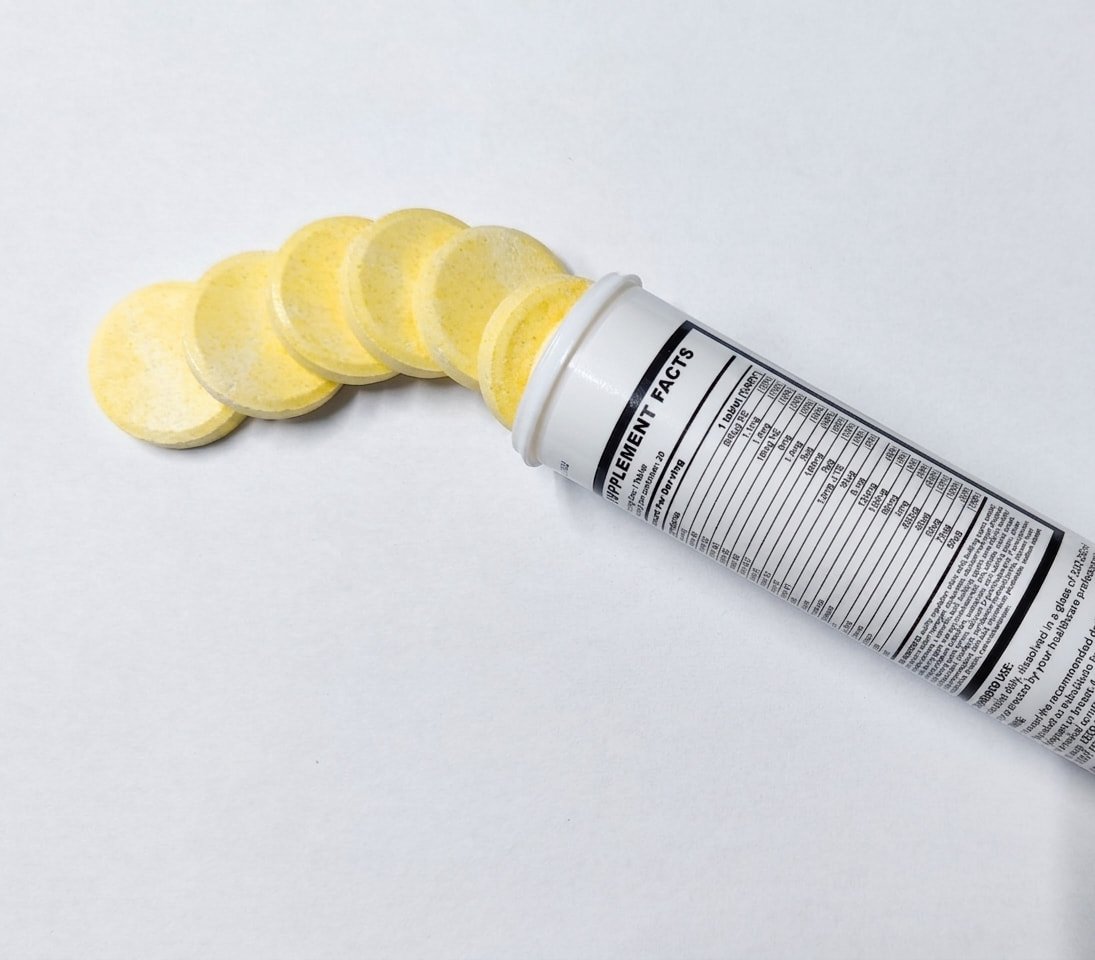
- Effervescent tubes: branded by IML or offset printing, or with a label, and closed with one of ten closures, A, DOG, DOSG, DAS, FOG, DA, DAG, DASG, G or FlipTop. The number of tablets per tube is agreed for your target market.
- Sachets: 50, 55 or 60 mm wide and 60 to 110 mm tall, printed directly on the paper layer, sold in a carton sized for a full course.
- Amber glass for liquids: child-resistant or ordinary closures, measuring cups, dosing spoons on request; individual boxes for syrups and display boxes for shots.
The label can be prepared by Pharma Manufacture’s in-house designer from your brand identity, or you send finished artwork, provided it is built for the pack you chose. A file made before the pack is fixed usually needs a round of corrections. Under Regulation (EU) No 1169/2011 the label carries the mandatory particulars, among them the ingredient list, allergens, net quantity, the durability date and the name and address of the business responsible for the product in the EU, which is the brand. The batch number and expiry date are printed on the blister and on the carton.
The language of the label is a decision for the brand and its market. Under Article 15 of Regulation (EU) No 1169/2011 the mandatory information appears in a language easily understood by the consumers of the Member States where the food is marketed, and a Member State may stipulate one or more of the official languages of the Union for its own territory.
Which documents come with each batch of private label vitamins?
Every batch ships with a Certificate of Analysis. For tablets, capsules and softgels it is issued after the finished product has waited in quarantine, passed microbiological testing and heavy-metals limit control, and gone through metal detection, which every finished product passes. The same release applies to a catalogue tablet in a standard bottle and to a custom softgel; order size does not change it.
For a vitamin product, the line buyers look for first is the vitamin content itself, so it is worth asking before the first order what the Certificate of Analysis reports for it.
The rest of the paper trail:
- Traceability: the batch number and expiry date on the blister and carton link each pack to its batch and its Certificate of Analysis. Batch samples are kept for the product’s entire shelf life and at least three years, manufacturing data for 10 years, and records for at least a year after the batch’s expiry date.
- Plant certificates: GMP-FS-01 and HACCP-01, issued 28 April 2026 and valid to 17 May 2027, and ISO 22000:2018 MSC-22-1384, issued 8 January 2026 and valid to 7 January 2029, all three by BM Certification SIA, Riga, accredited by LATAK under No. S2-564. Their scope is the manufacturing and packaging of food supplements in tablet, capsule and powder form. Current PDFs come on request, and the scans are on the certificates page.
- Packing materials: an EU Certificate of Conformity and a quality analysis certificate for each batch of material, with copies on request.
Placing the product on the market is the brand’s side. Article 10 of Directive 2002/46/EC lets a member state require the manufacturer or the business placing a food supplement on its market to notify the competent authority by sending a model of the label. In private label that business is your company or the importer acting for you, and Pharma Manufacture supplies the manufacturer’s documents for the file. What to check on the certificates themselves is covered in GMP certified supplement manufacturer: what to check.
How do you request a quote for private label vitamins?
Send six details and Pharma Manufacture replies within 24 hours with the minimum order, a price list and the lead time for that combination.
- The vitamin formula: a catalogue name such as Vitamin C 1000 mg + Bioflavonoids, or the vitamins with the dose per serving.
- The form: tablet, capsule, softgel, effervescent tablet, sachet, drops, syrup or shot.
- The pack: bottle, blister, tube, sachet or amber glass, and the units per pack.
- The country of sale, even if it is only a region, because the dose is checked against its rules.
- The label status: finished artwork, a brand identity, or only a product name.
- A quantity range: an estimate is enough to set it against the minimum for your form.
Each form is priced as its own line, because the minimum order is set per form: vitamin C tablets and effervescent vitamin C in one request come back as two items with two minimums. The fuller version of this list is in what to prepare before you request a price list and what a manufacturer needs to quote your first order.
Frequently asked questions
Can Pharma Manufacture make vegan vitamins?
Yes, as a property of a specific formula confirmed on request. Pharma Manufacture fills hard capsules in vegan HPMC in sizes #1, #0 and #00, while its softgel shell is gelatin, glycerin and water. The excipients, the tablet coating and the source of vitamin D3 are checked as well.
Can I order vitamin D3 in a strength outside the catalogue?
Yes, as an adapted formula. Pharma Manufacture lists vitamin D3 softgels at 1000, 2000 and 4000 IU and Vit. D3 4000 IU + K2 100 mcg tablets. Another strength is calculated and validated before production, like a custom formula, and starts at a higher minimum. R&D checks the dose against the rules of the country of sale.
What is the smallest first order for private label vitamins?
From 150 units for a ready-made formula in tablets or capsules at Pharma Manufacture; a custom formula starts higher. Effervescent tubes and liquids are quoted per product within 24 hours, because the tube print run or the bottle and closure set the floor. Powder sachets start from 80,000 sachets, the print run of one laminate roll.
How long does a first vitamin order take?
From four weeks, and about eight weeks for a typical run, counted from the moment Pharma Manufacture has your confirmed order and technical brief. Powder sachets take about eight weeks, because the laminate carrying your design is printed first. A custom formula adds development and a validation batch, so its date is planned around the quote.
Can vitamins made in Latvia be sold in other EU countries?
Pharma Manufacture produces in the EU to the rules common to every member state: Regulation (EC) No 852/2004, Regulation (EU) No 1169/2011, Regulation (EC) No 1924/2006 and Directive 2002/46/EC. Each country runs its own notification procedure. The brand or its importer files it, and Pharma Manufacture supplies the manufacturer’s documents for that file.
Does every vitamin batch come with a Certificate of Analysis?
Yes. Pharma Manufacture tests every batch in its own laboratory and releases it with a Certificate of Analysis, whatever the order size. The batch number and expiry date on the blister and the carton link each pack to that certificate, and samples of every batch are kept for the product’s entire shelf life and at least three years.
Which health claims can a vitamin label carry?
Only authorised health claims, from the Union Register of nutrition and health claims (function claims are listed in Regulation (EU) No 432/2012), used under Regulation (EC) No 1924/2006. A general reference to wellbeing is permitted only next to a specific authorised claim. The brand on the label answers for every claim, even when Pharma Manufacture’s in-house designer prepares the artwork.
Can I see all the ready-made vitamin formulas before choosing?
Yes. Pharma Manufacture publishes a selection on its tablets, capsules and softgels page and sends the product list without prices on request, so you can pick the vitamins first. Prices come with the price list, and the minimum order and lead time for your packaging are confirmed for the formulas you choose within 24 hours.
Can I send my own label artwork for a vitamin product?
Yes. Pharma Manufacture’s in-house designer prepares label artwork as part of the service, and a finished file of your own works too, provided it is built for the pack you chose. A blister carton, for example, has to fall between 28 × 12 × 55 mm and 92 × 60 × 190 mm, so the pack is fixed before the artwork.
Which pack keeps a vitamin C product dry?
Three packs are built for it. Pharma Manufacture closes effervescent tubes with a cap that holds a moisture absorber, seals powder sachets in a laminate with an aluminium foil barrier, and runs alu-alu blisters on its Uhlmann B 1240, the highest protection against moisture and light of its blister films. Shelf life is then set per formula and pack.
Can one vitamin be made in two forms for the same range?
Yes, as two production runs. Pharma Manufacture sets the minimum order per form, because each form runs on its own tooling, so vitamin C tablets and effervescent vitamin C in one request come back as two lines in the price list, each with its own minimum and its own batch documents.
Does Pharma Manufacture make vitamins for children?
Yes. The Pharma Manufacture catalogue includes Children’s Multivitamins Chewable tablets and Effervescent Kids Multivitamins, and the drops range includes vitamin D3 and multivitamin drops. A children’s product carries different labelling and dosing expectations from an adult one, so name the age group and the country of sale in the first request.
Send the vitamin, the form and the country
Pharma Manufacture makes vitamins at “Kargo k-1”, Mārupe, Latvia, under GMP, HACCP and ISO 22000. For a first vitamin product, the vitamin and its dose pick the form, the catalogue of 350 usually has a starting recipe, and the country of sale decides whether its strength fits.
Tell us the vitamin formula, the form, the pack and the country, and the reply comes within 24 hours with the minimum order, the price list and the lead time. Write to sales@pharmamanufacture.eu or use the contact form.
Sources
Pharma Manufacture, tablets, capsules and softgels: forms, tablet, capsule and softgel sizes, catalogue of 350 formulas and the published vitamin formulas, minimum order, lead time, packing, release testing, Calcium + D3 and Vitamin C 1000 mg specifications, certificate numbers and dates: https://pharmamanufacture.eu/food-supplement-tablets-and-capsules/ (reviewed 2026-11-01)
Pharma Manufacture, effervescent tablets: 26 ready-made formulas, tube branding, closures, moisture-absorbing cap, minimum order by tube print run, lead time, packing-material documents: https://pharmamanufacture.eu/private-label-effervescent-tablets-manufacturer-europe/ (reviewed 2026-11-01)
Pharma Manufacture, liquid forms: drops, syrups and shots, amber glass sizes, closures, sorbitol base, malic acid, minimum order and lead time: https://pharmamanufacture.eu/liquid-forms-food-supplement-private-label/ (reviewed 2026-11-01)
Pharma Manufacture, powder sachets: fill weight, sachet sizes, three-layer laminate, minimum order of 80,000 sachets, production time and shelf life: https://pharmamanufacture.eu/private-label-sachets-manufacturer-europe/ (reviewed 2026-11-01)
Pharma Manufacture, buyer questions: Certificate of Analysis and order documents, shelf life by pack, label design and artwork, your own formula, notification in your country, minimum order: https://pharmamanufacture.eu/buyer-questions/ (reviewed 2026-11-01)
Pharma Manufacture, certificates: GMP-FS-01, HACCP-01 and ISO 22000:2018 MSC-22-1384 with dates and scans: https://pharmamanufacture.eu/certificates/ (reviewed 2026-11-01)
Directive 2002/46/EC on food supplements, Article 5 (maximum amounts), Article 10 (notification) and Annex II (permitted vitamin and mineral substances), status in force checked 30 October 2026: https://eur-lex.europa.eu/legal-content/EN/TXT/?uri=CELEX:32002L0046
Regulation (EU) No 1169/2011 on the provision of food information to consumers, status in force checked 30 October 2026: https://eur-lex.europa.eu/legal-content/EN/TXT/?uri=CELEX:32011R1169
Regulation (EU) No 1169/2011, Article 15 (language requirements), text as adopted (Official Journal L 304, 22.11.2011), read 2026-11-01; later amendments exist and were not read, so this is not the current consolidated text: https://www.legislation.gov.uk/eur/2011/1169/contents/adopted
Regulation (EC) No 1924/2006 on nutrition and health claims made on foods, Article 10(3) and the Annex (sugars-free), status in force checked 30 October 2026: https://eur-lex.europa.eu/legal-content/EN/TXT/?uri=CELEX:32006R1924
Regulation (EU) No 432/2012 establishing a list of permitted health claims, status in force checked 30 October 2026: https://eur-lex.europa.eu/legal-content/EN/TXT/?uri=CELEX:32012R0432
Regulation (EC) No 852/2004 on the hygiene of foodstuffs, status in force checked 30 October 2026: https://eur-lex.europa.eu/legal-content/EN/TXT/?uri=CELEX:32004R0852