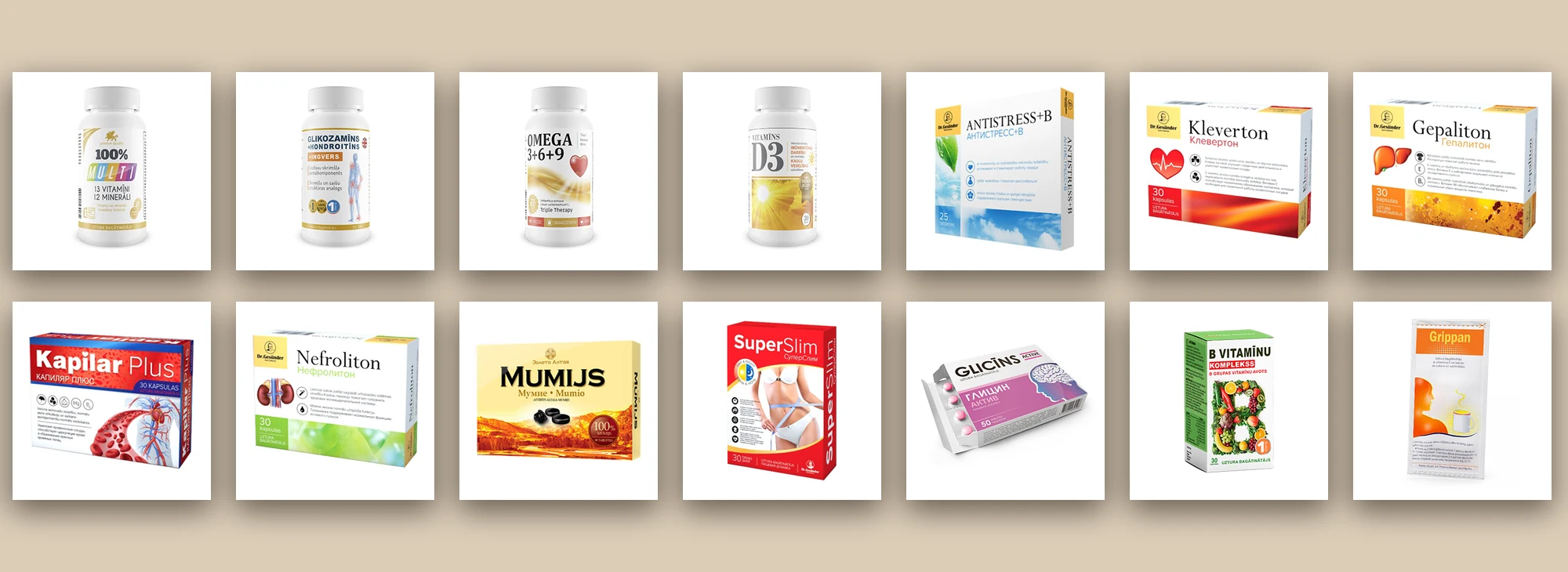
How to Choose a Contract Supplement Manufacturer: 9 Questions They Must Be Able to Answer
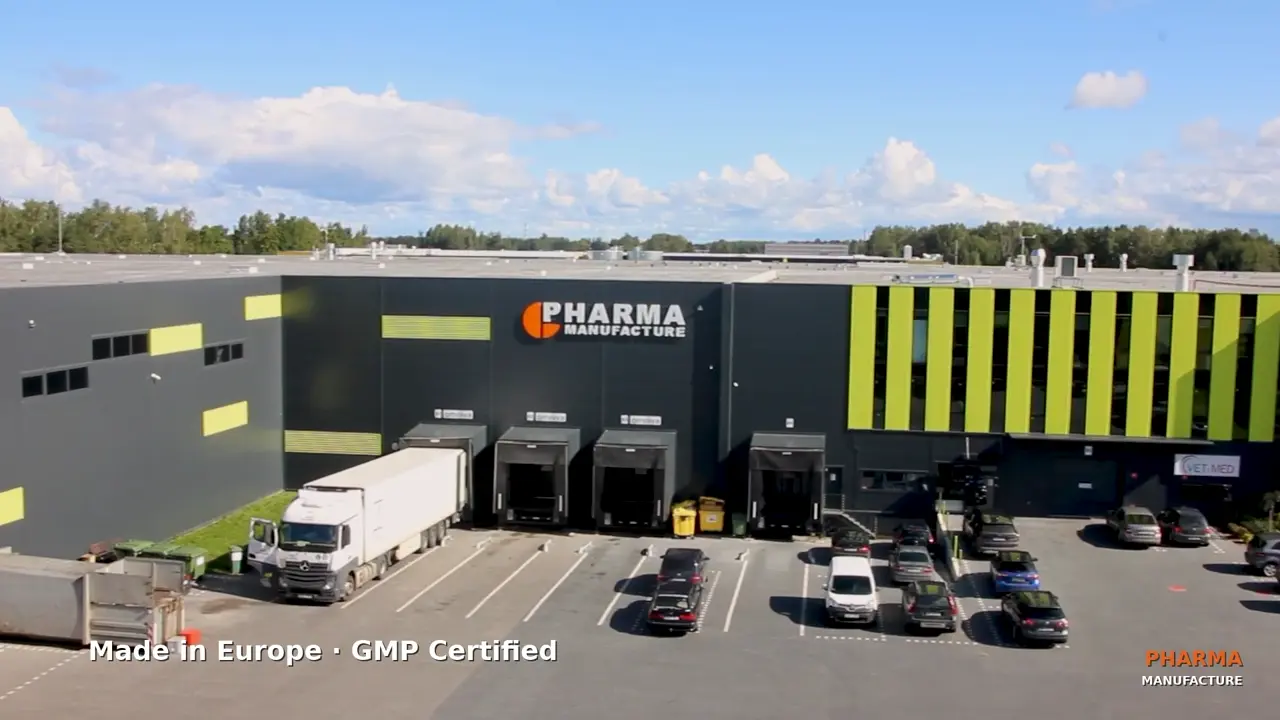
Pharma Manufacture is a contract food supplement manufacturer in Mārupe, Latvia, in the European Union. We produce tablets, capsules, softgels, effervescent tablets and sports-nutrition powders for private label brands, and our home page sets out the forms and certifications we work under. The nine questions below are the same ones we expect a serious buyer to ask any manufacturer — if you’d rather put them to us directly, our contacts page is where that conversation starts.
The fastest way to judge a contract supplement manufacturer is to ask nine specific questions and watch how quickly the answers arrive. A manufacturer that produces your product knows its machines, its formats and its minimums by heart. A broker reselling someone else’s capacity has to go and ask, and the answers come back vague.
That difference matters more than price. In 2025 the European Commission’s Alert and Cooperation Network processed a record 10,490 notifications across food, feed and food contact materials. Dietetic foods, food supplements and fortified foods accounted for 709 notifications, 8% of the food category alone (European Commission, 2025 Annual Report on the Alert and Cooperation Network, reported June 2026). When something goes wrong with a supplement, it lands on the brand on the label. That’s you.
Key Takeaways
- Food supplements drew 709 EU safety notifications in 2025, and nearly 71% were flagged as potential fraud (European Commission, ACN Annual Report).
- Misleading health claims caused 41% of those supplement notifications. That’s a paperwork failure, not a factory failure.
- Ask for machine models and rated outputs. A manufacturer can answer in one message; a broker cannot.
- Minimum order, lead time and changeover policy are the three answers that decide whether a supplier fits your cash flow.
Why is the manufacturer you choose your biggest compliance risk?
Because the regulator doesn’t chase the factory, it chases the product. Of the 709 supplement-category notifications the EU recorded in 2025, nearly 71% were flagged as potential fraud, and roughly half involved products sold online (European Commission, 2025 Annual Report on the Alert and Cooperation Network, reported June 2026). If you sell direct to consumers in Europe, you’re squarely in that population.
Look at what actually triggered those reports. Misleading health claims caused 41%, CBD-related non-compliance 10%, and titanium dioxide 4%. Notice what’s missing from that list: almost none of it is a machine breaking down. It’s labels, claims and ingredients: decisions made before anything was ever pressed.
That’s the real reason the nine questions below are worth your time. You’re not auditing engineering skill. You’re finding out whether the people making your product will catch the mistakes that end up with your name on them.
What should you ask about the product itself?
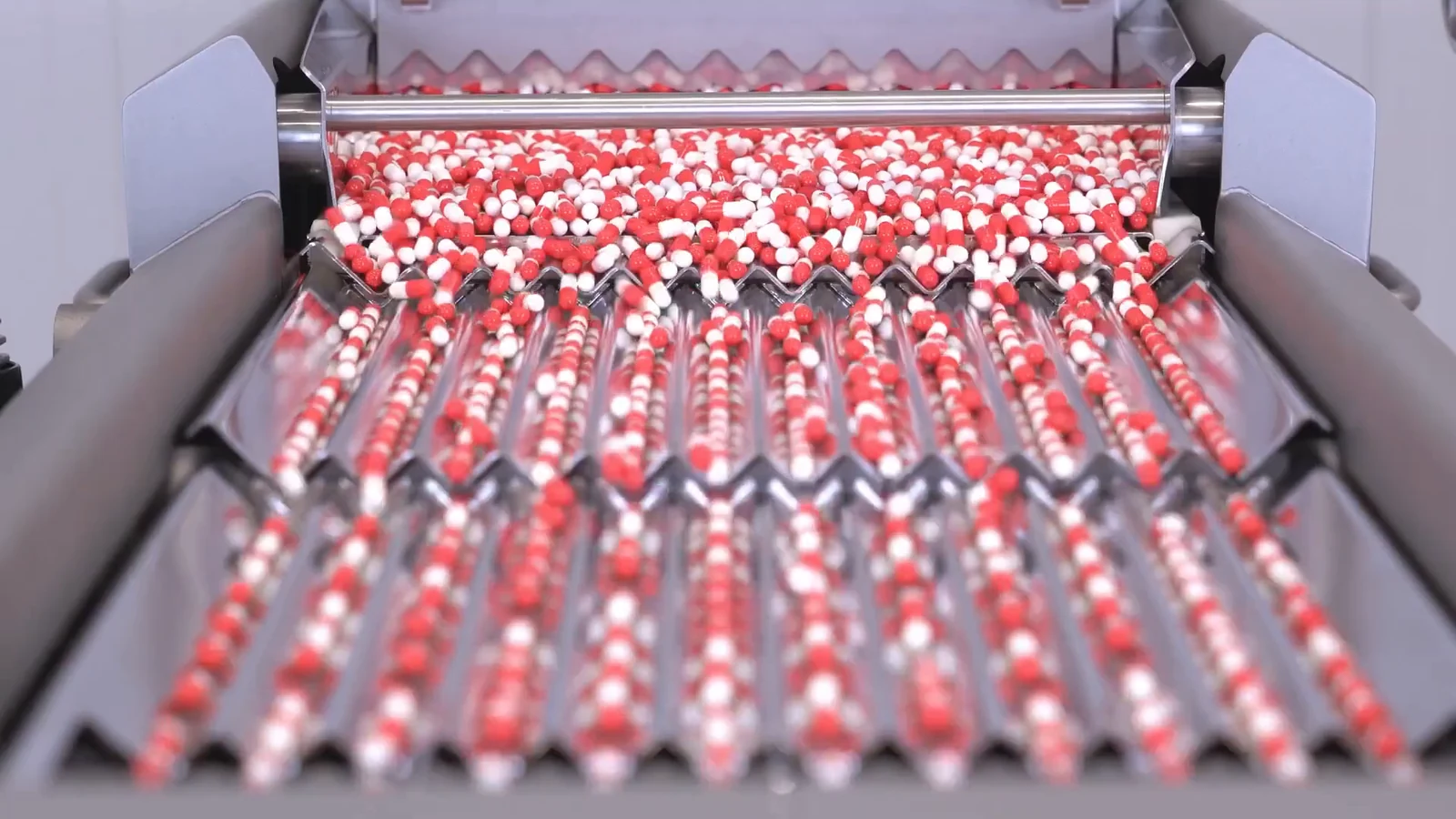
Start with the physical questions, because they’re the hardest to bluff. A manufacturer either owns the machine or doesn’t.
1. What machines do you produce on, and what are they rated at?
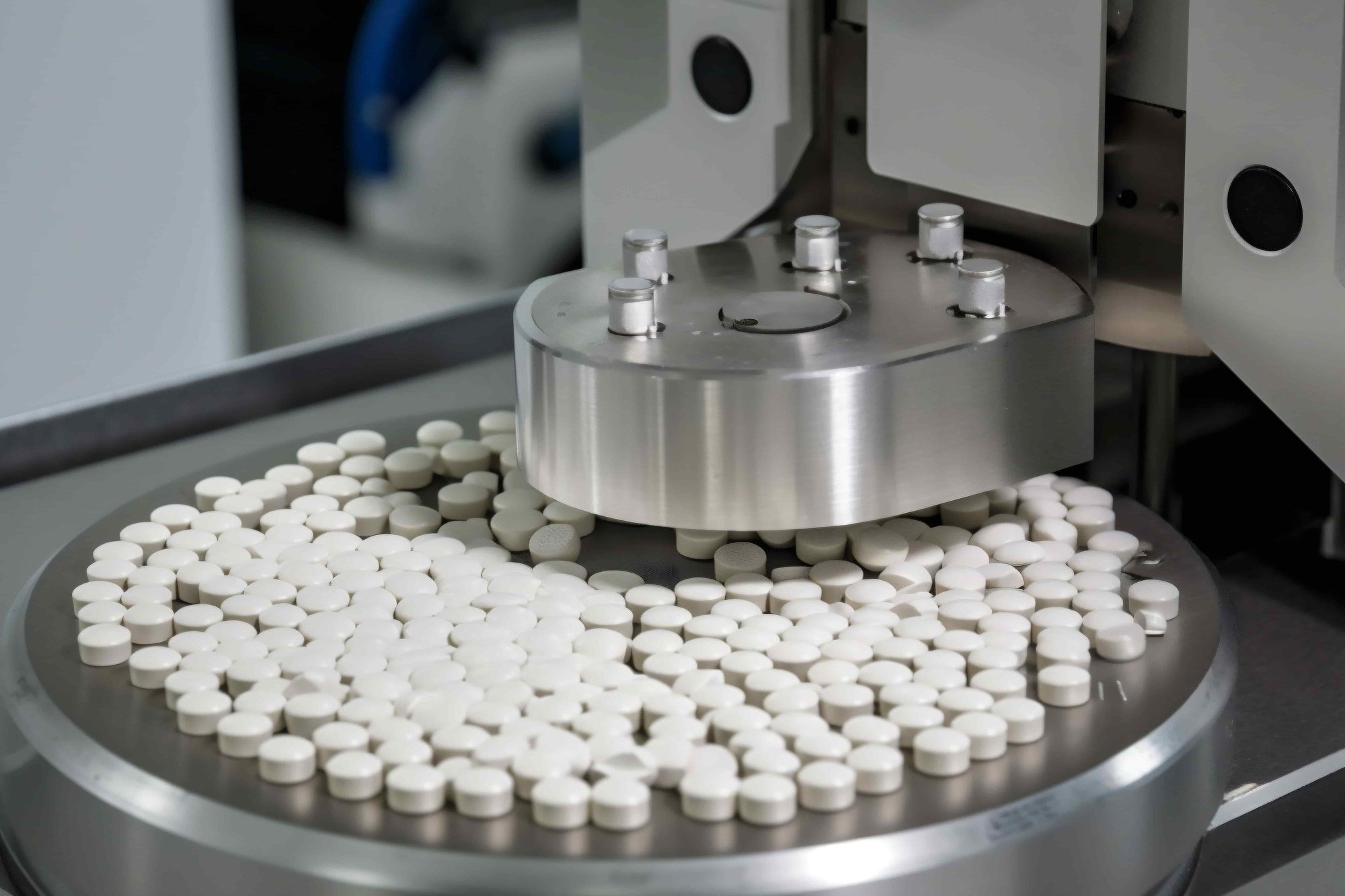
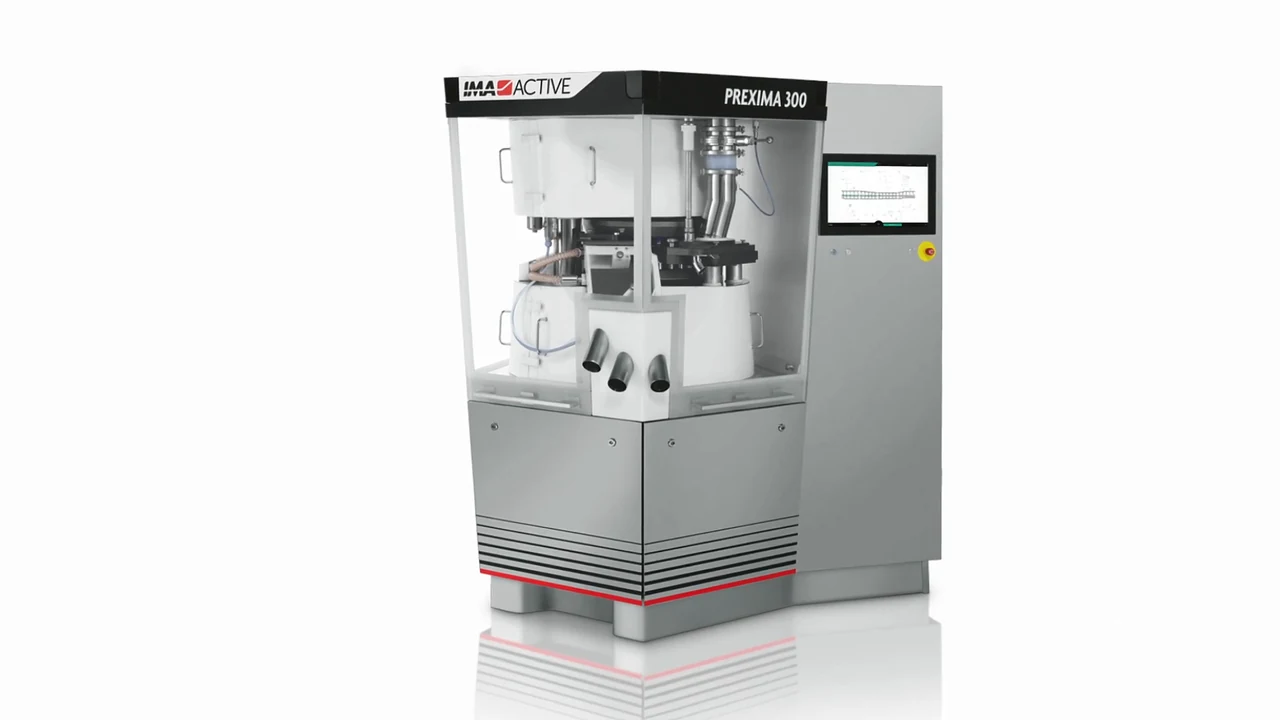
Ask for models, not adjectives. “Modern European equipment” tells you nothing; “an IMA PREXIMA 300 rotary tablet press” can be looked up in thirty seconds on the maker’s own site. If the answer arrives without a model number, you’ve probably found a broker.
There’s a second reason to ask. Output isn’t one number. It depends on your tablet and the tooling. On a PREXIMA 300 the manufacturer’s rated output runs from 194,400 tablets per hour for 25 mm tablets up to 396,000 per hour for 11 mm tablets with IMA 8 tooling. A supplier who understands that will ask for your tablet size before quoting a speed. One who doesn’t will quote the biggest number on the brochure.
There’s a third reason, and it’s the one that separates a premium line from budget equipment regardless of where either was assembled. A maker at this level publishes the specification, supports the machine for decades and sells the format parts, so your pack format can change in five years without replacing the line. None of that is true of a machine nobody can name.
We publish our full list of five machines, with their spec tables and rated outputs, on the equipment page, precisely so this question takes you one click instead of three emails.
2. Which formats can you actually run?
Format ranges decide whether your packaging idea is producible at all, and they’re cheap to verify. Capsule size range, blister format area and forming depth, carton dimensions, bottle height and diameter. Every one of those is a number the machine either has or doesn’t.
Get them in writing before your designer starts. A carton drawing that falls outside the cartoner’s format range is an expensive thing to discover after artwork goes to print. Our own ranges are listed alongside each machine, and the wider set of formats sits on the packing solutions page.
3. Is any step subcontracted?
Ask it plainly, and ask which step. Plenty of manufacturers genuinely make tablets and capsules but send softgels, coating or cartoning elsewhere. That isn’t dishonest, and it isn’t necessarily worse, but it changes your lead time, your traceability chain and who you call when a batch is wrong.
The answer you want is a straight list of what happens in the building and what doesn’t. A supplier who won’t give you that list is telling you something.
What should you ask about time and capacity?
These three answers decide whether a manufacturer fits how your business actually runs, which is usually about cash rather than chemistry.
4. What is your minimum order, per form?
Per form is the important part. A blistered tablet and a counted bottle rarely share a minimum, because the machines, the tooling and the packaging waste are different. A single “our MOQ is X” for the whole catalogue usually means someone hasn’t thought about it, or is quoting a trading minimum rather than a production one.
For a first product, the minimum is the number that decides whether you can start at all. Ask for it early, in units, per form, and get it before you fall in love with a formula. Our cost guide explains why that number moves so much between forms.
5. How long does a repeat order take, and how long does a new product take?
Two different questions, and a good manufacturer answers them differently. A repeat order of an existing formula in existing packaging is largely a scheduling question. A new product carries formula work, label approval, artwork and often raw material lead time on top.
If a supplier gives you one number for both, ask what’s in it. The follow-up worth asking: what usually causes the delay? Raw materials and artwork approval are the honest answers most of the time, and a manufacturer who names them is telling you they’ve been through it. As a benchmark to hold others to: ours is around eight weeks from a confirmed order and brief to shipment, and we publish that on the equipment page rather than quote it on request.
6. What happens between products: cleaning and changeover?
This is the first question a professional buyer asks and the one hobby brands forget. You want to know how the line is cleaned between runs, whether cleaning is validated, and how allergens are handled. If your product is allergen-free and the previous run wasn’t, that policy is the only thing standing between you and a recall notice.
Changeover speed matters commercially too. Modern lines store format data so the machine can be set up again quickly after a change. Changeover time is part of your lead time, and an in-house route runs shorter than a chain of subcontractors because nobody is waiting for someone else’s schedule.
What should you ask about paperwork and responsibility?
Remember the data: 41% of supplement notifications were about misleading health claims. Paperwork is where supplements fail.
7. Which certificates do you hold, and until when?
Certificates expire. “We’re GMP certified” is a claim about a moment in time, so ask which certificates, issued by whom, valid until when, and whether you can have copies. A manufacturer with current certificates will send the scans without hesitating.
Then check that the answer is consistent everywhere the company talks about itself. Inconsistent certification claims across a supplier’s own website are a genuine warning sign. Not because certificates are hard, but because it means nobody is checking.
8. Who is legally responsible for the label and the claims?
In the EU the answer is usually you, and it’s better to learn that now. The business whose name is on the label is the one placing the food on the market, and it carries the obligations under Regulation (EU) No 1169/2011 on food information to consumers and Regulation (EC) No 1924/2006 on nutrition and health claims.
What a good manufacturer does is stop you before you print something unauthorised. Ask directly: will you review my label text against the claims register, or is that entirely my problem? Both answers are legitimate. Only one of them keeps you out of that 41%.
9. Can I come and see it?
The simplest question in the list, and one of the most revealing. A manufacturer with something to show will name a time. If a visit is impossible, ask why, and listen to whether the reason is concrete: confidentiality of other clients’ products is a reasonable one, and vagueness is not.
You can learn a surprising amount before you travel. Does the company publish its address, its machines, its certificates? Or does the website consist of adjectives and stock photography of laboratories that could be anywhere?
What does a good answer actually sound like?
Speed and specificity, in that order. The nine questions above aren’t hard for a real manufacturer. They’re all facts sitting in the building. Most of the answers should arrive in a single reply, and the ones that don’t should come back with a reason and a date rather than silence.
Here’s the pattern worth noticing. Vague answers cluster. A supplier who can’t name the tablet press usually can’t give you a per-form minimum either, and usually can’t tell you what’s subcontracted. That’s not coincidence. It’s the same missing knowledge showing up three times.
The reverse is also true. When you get model numbers, format ranges and a straight answer about what happens in the building, you’re talking to someone who makes things. Whether they’re the right fit for your product is a separate conversation, and a much easier one.
Frequently asked questions
How many manufacturers should I ask before deciding?
Three is usually enough if you ask all nine questions each time. The value isn’t in the number of quotes, it’s in the comparison: the same nine questions across three suppliers exposes the gaps faster than three unstructured conversations do.
Is a cheaper manufacturer outside the EU a real option?
It can be, but price the whole thing. Shipping time freezes your cash, duties erode the saving, and a faulty batch becomes a cross-border dispute. Selling in the EU means meeting EU rules regardless of where the product was made, and that obligation stays with the brand on the label.
What if I don’t have a formula yet?
That’s normal, and it doesn’t change the checklist. Ask the nine questions anyway, then ask whether the manufacturer offers ready-made formulas you can start from. Our formula guide covers the stock-versus-custom decision, and our product range shows what starting from a ready formula looks like.
Do these questions apply to a first small order?
Especially then. A small first order is when a mismatch hurts most, because you have the least room to absorb a delay or a reprint. The per-form minimum and the lead-time questions are the two that decide whether a supplier fits a small start at all.
What’s the single most revealing question?
The machine question. Everything else can be answered from a price list; only a manufacturer can tell you what they produce on and what it’s rated at, and only a manufacturer will ask about your tablet size before answering.
Ask us the nine questions
Pharma Manufacture is a contract food supplement manufacturer in Mārupe, Latvia, in the European Union. We wrote this checklist because we can answer it, and we’d rather you asked us than guessed. The machines, their rated outputs and every format range are already published on the equipment page, so that’s questions one and two answered before you write to us.
For the rest, tell us your product, the form you have in mind and roughly what quantity you’re planning. You’ll get the minimum order, the realistic lead time and a straight answer about what happens in our building, usually within 24 hours. Get in touch and start with the question that matters most to you.
Sources
European Commission, 2025 Annual Report on the Alert and Cooperation Network (ACN), as reported by Food Safety Magazine, 30 June 2026, retrieved 2026-07-21: https://www.food-safety.com/articles/11563-eu-report-on-food-safety-alerts-highlights-top-hazards-major-incidents-in-2025
Regulation (EU) No 1169/2011 on the provision of food information to consumers: https://eur-lex.europa.eu/legal-content/EN/TXT/?uri=CELEX:32011R1169
Regulation (EC) No 1924/2006 on nutrition and health claims made on foods: https://eur-lex.europa.eu/legal-content/EN/TXT/?uri=CELEX:02006R1924-20121129